
 en
enCS2 Esports


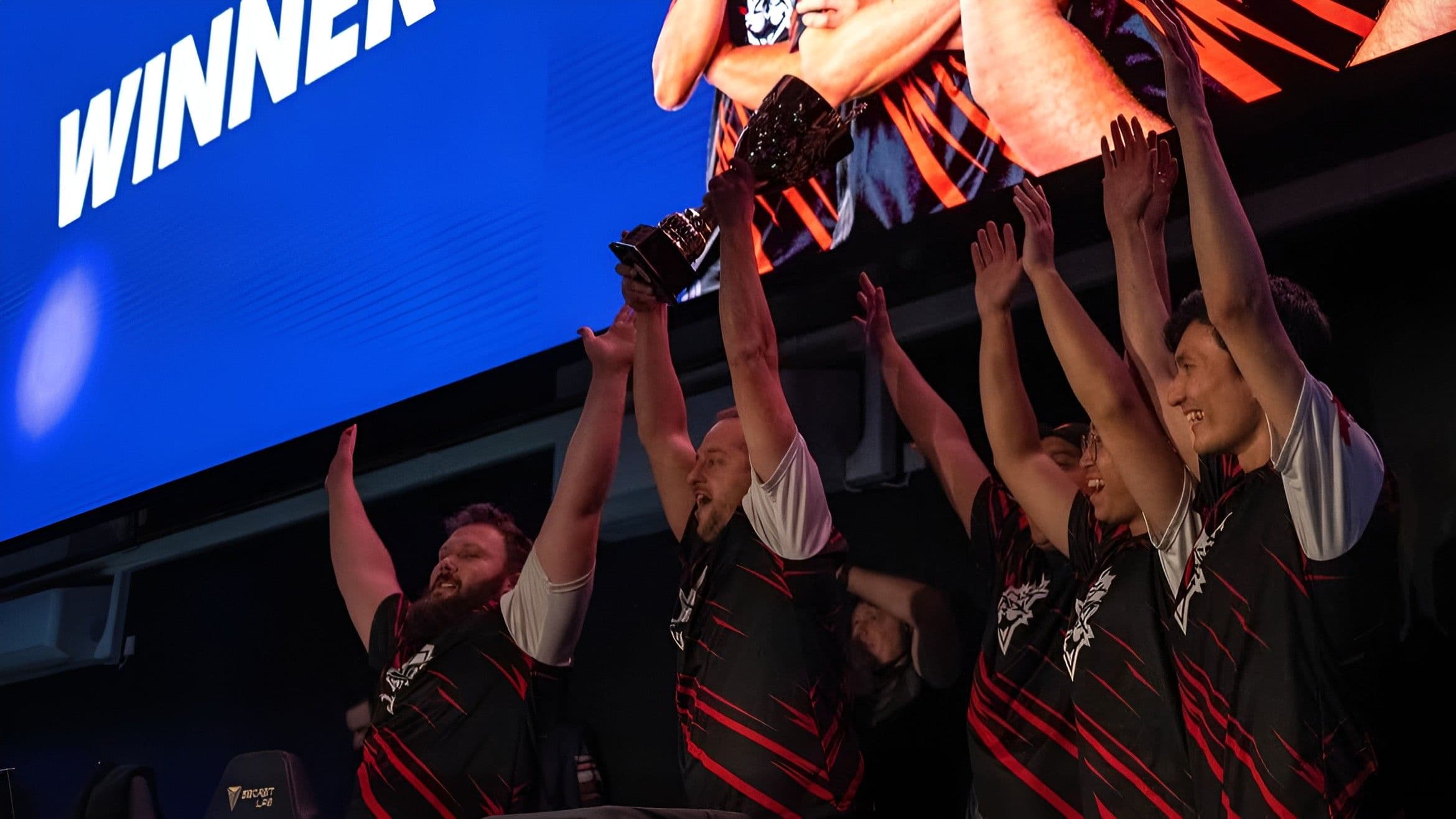
Canadian Armed Forces Esports Wins CS2 Title at Inaugural IDEG
Canadian Armed Forces Esports claimed victory in the Counter-Strike 2 tournament at the inaugural International Defence Esports Games 2026 (IDEG26) on October 10 in Sunderland, United Kingdom. Defeating France 2–1 in a thrilling grand final, the team secured Canada's first international military esports championship.



Finished


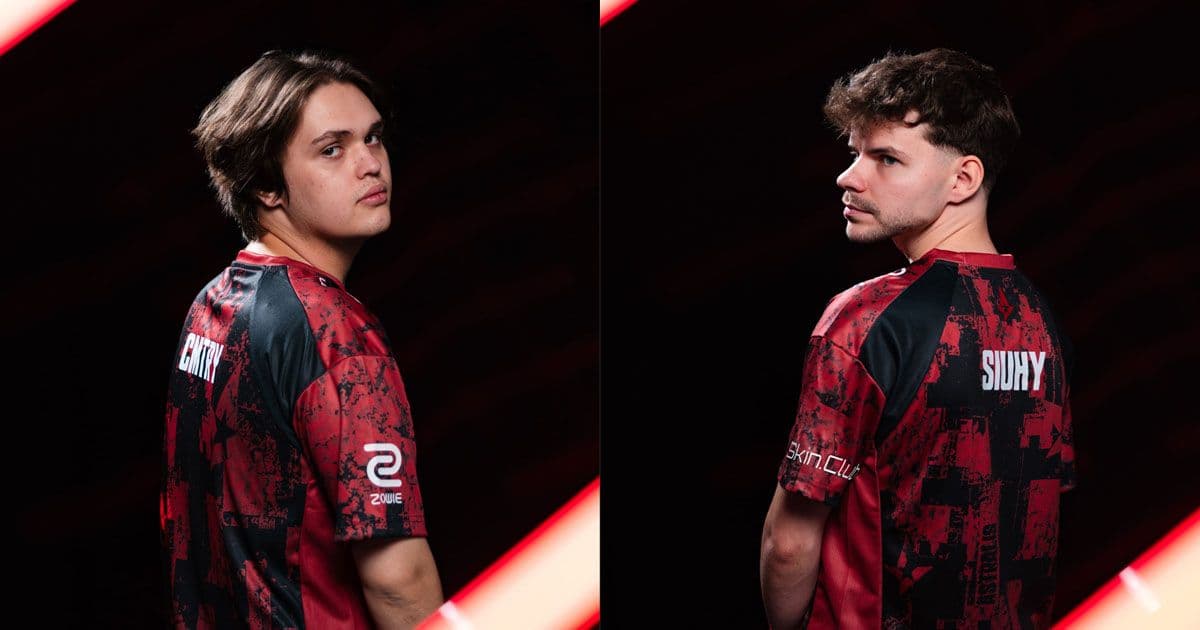
Astralis Sign siuhy and cmtry, Ending Danish-Majority Era in CS2
Astralis have completed their new CS2 roster with siuhy and cmtry, leaving Staehr as the team's only Danish player.
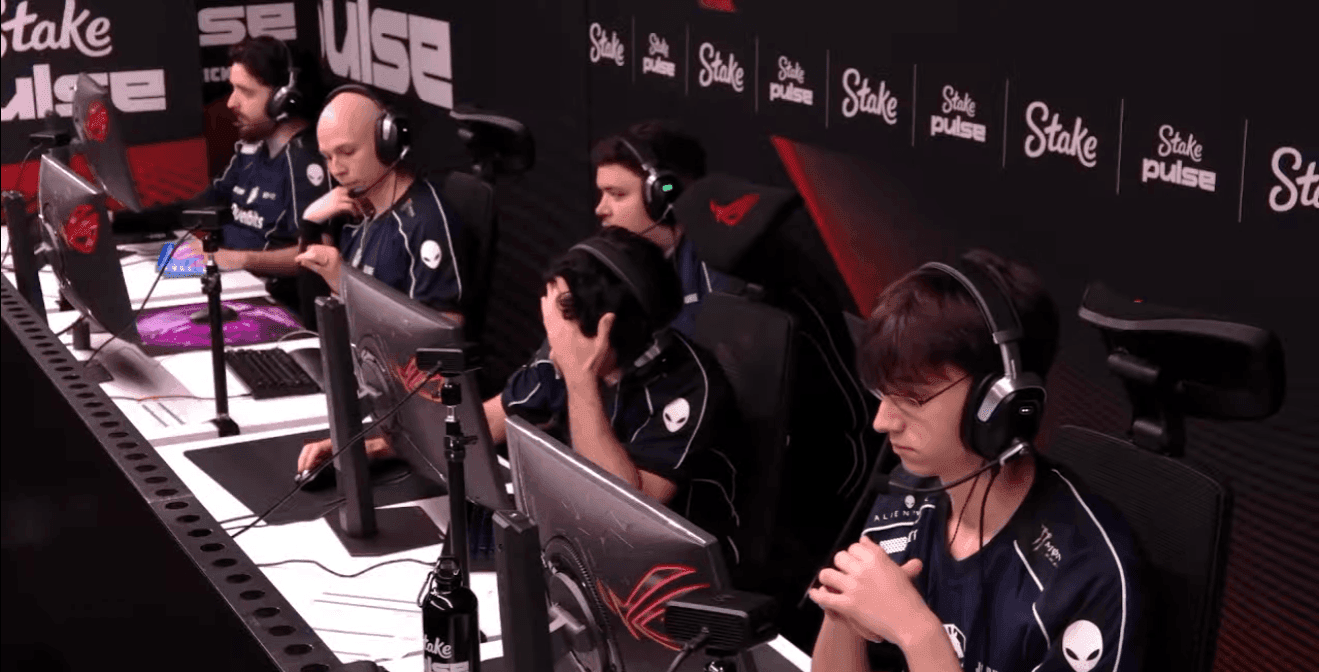
Team Liquid Make History Again in Latest Encounter with 100 Thieves
Weeks after finally posting a LAN win to end a 7-year drought, Team Liquid have made Counter-Strike history once again — this time for the wrong reason. The North American squad matched against 100 Thieves in the Group Stage of Stake Pulse Beat III for qualification to Playoffs and stumbled away from the latter’s map pick with the rarefied 0-13.
CS2 Esports Guides & Tips
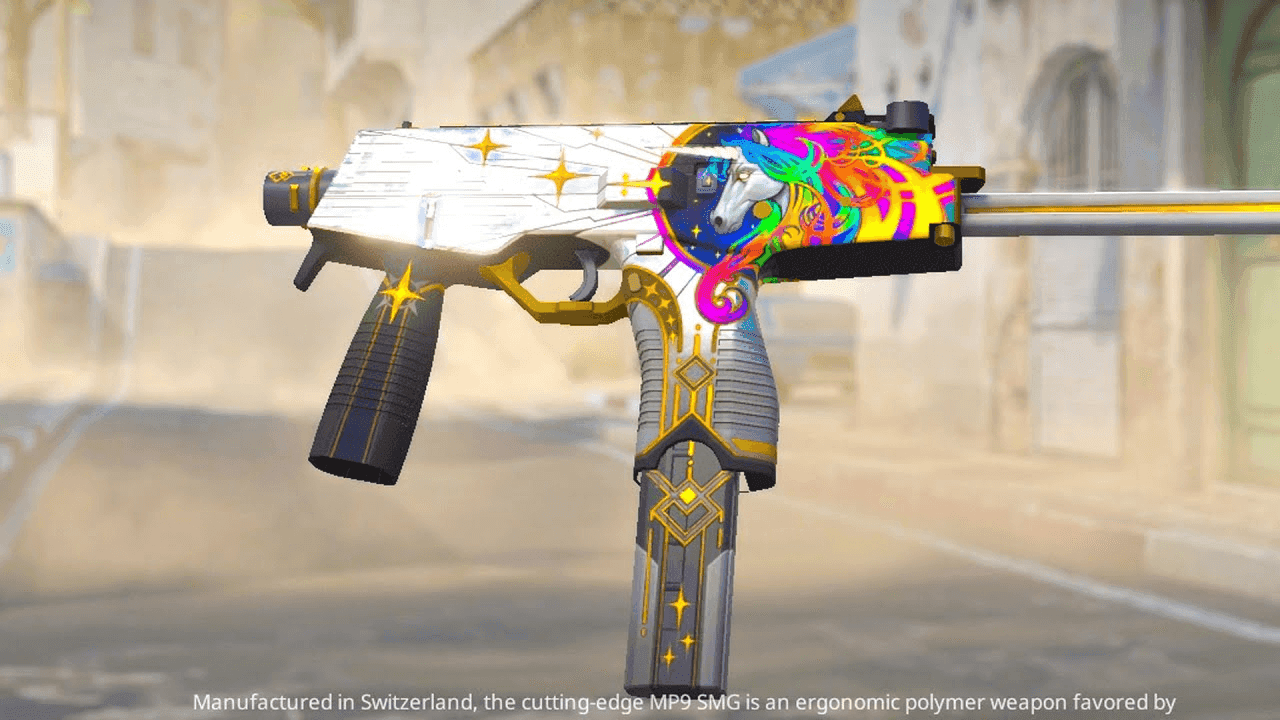
Counter-Strike 2 MP9: Dominate the Close Range Fights
The MP9 has cemented itself as a reliable choice for Counter-Strike players, especially on the CT side. It’s a budget-friendly SMG known for its mobility, rapid fire rate, and versatility in close-range battles. Despite being one of the cheaper weapons available, the MP9’s effectiveness makes it ideal for specific rounds, particularly anti-eco rounds and scenarios where teams need to save money without sacrificing firepower.
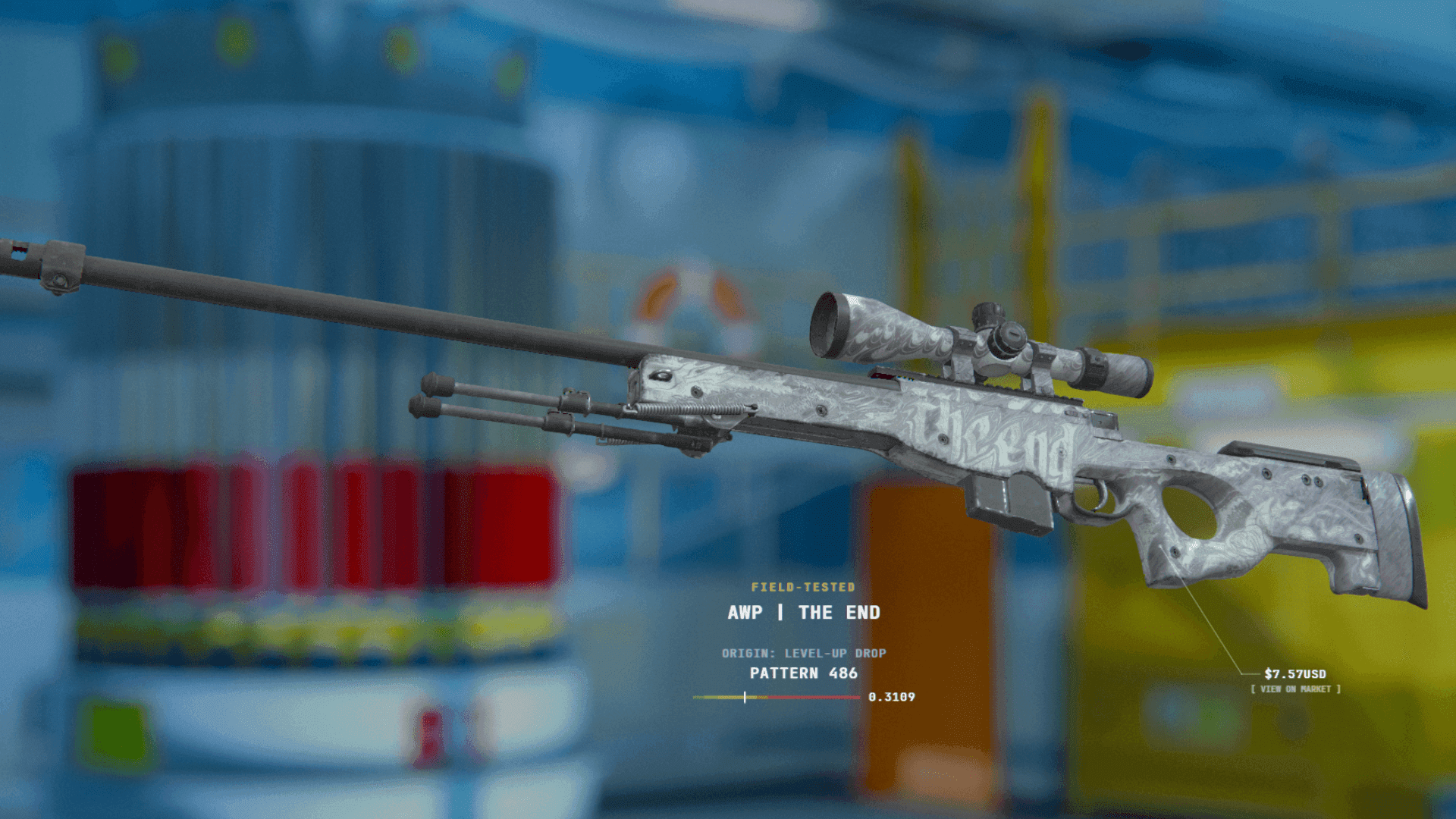
CS2 Skins Wear Rating and Float Values Explained
Evaluating CS2 weapon skins requires looking beyond simple condition labels. Behind every Factory New or Battle-Scarred tag lies a precise metric: the Float Value (or Wear Rating). Discovering float values reshaped how players trade and collect skins.

Counter-Strike 2 USP-S Weapon Guide: Silent Power in the Heat of Battle
The USP-S (Universal Selbstladepistole-S) is one of the most iconic weapons in Counter-Strike, available as the starting pistol for Counter-Terrorist players. This silenced sidearm has gained a significant following due to its stealth capabilities, high accuracy, and low recoil. While it has been a part of Counter-Strike for years, it remains a critical part of the Counter-Terrorist arsenal in Counter-Strike: Global Offensive and Counter-Strike 2. Learn everything about the Counter-Strike USP-S pistol.
Counter-Strike is a highly influential first-person shooter franchise in competitive gaming (esports). Originating as a user-created modification, it has become a global esports phenomenon, significantly shaping the genre for over two decades. This document provides a factual overview of Counter-Strike's history, its esports ecosystem, key players and teams, major competitions, and its cultural and economic impact.
Franchise History and Development
Counter-Strike's development spans several key versions, each contributing to its esports legacy.
Origins: Mod to Standalone (1999-2003)
Counter-Strike originated in 1999 as a Half-Life modification by Minh "Gooseman" Le and Jess Cliffe. Its team-based, objective-focused gameplay (Terrorists vs. Counter-Terrorists) gained rapid popularity due to its emphasis on strategy and teamwork.
Valve Corporation acquired the rights, releasing a standalone version in November 2000. Counter-Strike 1.6 (released 2003 via Steam) became the standard for competitive play, characterized by refined mechanics and a high skill ceiling. Early major tournaments like the Cyberathlete Professional League (CPL), World Cyber Games (WCG), and Electronic Sports World Cup (ESWC) established its professional scene.
Subsequent Iterations (2004-2011)
Valve released Counter-Strike: Condition Zero (March 2004), primarily adding single-player content, and Counter-Strike: Source (November 2004), built on the new Source engine with improved graphics and physics.
Counter-Strike: Source created a division in the competitive community. While some adopted the new version, many professional players preferred CS 1.6 for its established gameplay nuances. Consequently, two distinct competitive scenes operated for several years, with CS 1.6 largely maintaining its status as the premier global esports title.
Unification with Counter-Strike: Global Offensive (CS:GO) (2012-2022)
Counter-Strike: Global Offensive (CS:GO), released in August 2012 by Valve and Hidden Path Entertainment, successfully unified the player base and modernized the franchise.
Key features contributing to CS:GO's success:
- Refined core gameplay: Appealing to veterans of previous versions.
- Integrated matchmaking: Increasing accessibility for competitive play.
- "Skins" economy: Introduction of cosmetic weapon finishes, creating a significant virtual market and boosting player engagement.
- Direct Valve support for esports: Notably the establishment of Major Championships.
CS:GO became the dominant version, experiencing substantial growth in its player base, viewership, and tournament prize pools, solidifying its position as a leading global esport.
Current Version: Counter-Strike 2 (CS2) (2023-Present)
In September 2023, Valve launched Counter-Strike 2 (CS2) as a free upgrade to CS:GO, utilizing the Source 2 engine.
Key CS2 enhancements include:
- Updated graphics and visual effects.
- Volumetric smoke grenades: Dynamically reacting to game physics, altering tactical approaches.
- Sub-tick server architecture: Aimed at improving action responsiveness and registration.
- Redesigned maps: Utilizing new engine capabilities.
CS2 represents the latest technological advancement for the franchise. The esports scene has fully transitioned to CS2, with ongoing updates and refinements by Valve.
The Counter-Strike Esports Ecosystem
The professional Counter-Strike scene comprises Valve, third-party tournament organizers, teams, players, and a global fanbase.
Valve's Role: The Major Championships
Valve's primary direct involvement is through the Counter-Strike Major Championships (Majors), the most prestigious tournaments in the game.
- Significance: Majors offer the largest prize pools (typically $1.25 million USD; PGL Major Stockholm 2021 reached $2 million) and confer the official World Champion title.
- Timeline: The first Valve-sponsored Major was DreamHack Winter 2013.
- In-Game Features: Majors feature integrated content like team/player stickers (with revenue sharing), souvenir items, and the "Pick'Em Challenge."
- System Evolution: Valve continues to refine the Major system, including qualification pathways and new tournament invitation guidelines (from 2025) based on an official Valve ranking.
Key Tournament Organizers
Several independent organizers manage major international tournaments:
- ESL (Electronic Sports League): Hosts prominent events like ESL Pro League, Intel Extreme Masters (IEM) Katowice, and IEM Cologne.
- BLAST: Runs the BLAST Premier circuit (Spring, Fall, World Final) and hosted the BLAST.tv Paris Major 2023. Known for high-energy broadcasts.
- PGL (Professional Gamers League): Has organized multiple Majors, including PGL Major Stockholm 2021 and the first CS2 Major (PGL Major Copenhagen 2024).
- Others: Companies like Perfect World (Asia) and WePlay Esports also host significant international events.
These entities provide a continuous global competitive circuit.
Economic Structure
Counter-Strike esports is supported by diverse revenue streams:
- Prize Money: Annual prize money across significant tournaments totals tens of millions of USD.
- Sponsorships: Teams and events secure sponsorships from endemic (gaming-related) and non-endemic brands.
- Skin Economy: The in-game market for cosmetic weapon finishes ("skins") is a major economic factor, driving player engagement and generating revenue for Valve through market transactions.
- Media Rights & Advertising: Broadcasting rights for major events are sold, and advertising features in live streams.
- Merchandise: Sales of team and event-branded apparel and items.
- Crowdfunding: Revenue from Major-related in-game items (e.g., stickers) partially supports participating players and organizations.
Notable Players and Teams
Counter-Strike's history features numerous highly skilled players and dominant teams.
Influential Players (Selected)
- Oleksandr "s1mple" Kostyliev (Ukraine): Widely considered one of CS:GO's greatest players; exceptional AWPer; PGL Major Stockholm 2021 champion with Natus Vincere.
- Nicolai "dev1ce" Reedtz (Denmark): Key player for Astralis; highly consistent AWPer; winner of four Majors.
- Mathieu "ZywOo" Herbaut (France): Top-tier talent; led Team Vitality to victory at BLAST.tv Paris Major 2023.
- Christopher "GeT_RiGhT" Alesund & Patrik "f0rest" Lindberg (Sweden): CS 1.6 legends who transitioned successfully to CS:GO with Ninjas in Pyjamas; known for individual skill and longevity.
- Marcelo "coldzera" David (Brazil): Two-time Major MVP with Luminosity/SK Gaming during their 2016 dominance.
- Kenny "kennyS" Schrub (France): Highly skilled and aggressive AWPer, particularly impactful in early CS:GO.
Dominant Teams and Eras
- Ninjas in Pyjamas (NiP) (Sweden): Dominated early CS:GO (2012-2013) with an 87-0 LAN map streak; won ESL One Cologne 2014.
- Fnatic (Sweden): Multiple dominant periods; won three CS:GO Majors (DreamHack Winter 2013, ESL One Katowice 2015, ESL One Cologne 2015).
- Luminosity Gaming / SK Gaming (Brazil): Won two consecutive Majors in 2016 (MLG Columbus, ESL One Cologne).
- Astralis (Denmark): Considered the most dominant CS:GO team (2018-2021); won four Majors, known for tactical innovation.
- Natus Vincere (Na'Vi) (CIS Region): Won PGL Major Stockholm 2021 and PGL Major Copenhagen 2024 (first CS2 Major).
- FaZe Clan (International): Won PGL Major Antwerp 2022; known for star-studded international rosters.
Global Impact and Community
Counter-Strike possesses a significant global footprint and a dedicated community.
Global Reach and Regional Presence
Strong competitive scenes and fanbases exist worldwide:
- Europe: Historically the most successful region, with high concentrations of top teams (Scandinavia, France, Eastern Europe/CIS).
- North America: Large player base; produced Major-winning teams (e.g., Cloud9, Boston 2018).
- CIS (Commonwealth of Independent States): Consistently produces elite teams and players (Russia, Ukraine, Kazakhstan).
- South America: Brazil is a key nation with a passionate fanbase and internationally successful teams.
- Asia & Oceania: Growing regional scenes with increasing international participation.
Viewership and Broadcasting
Counter-Strike esports attracts large audiences:
- Viewership Numbers: Major tournament finals often exceed millions of concurrent online viewers (Twitch, YouTube).
- Production Quality: Broadcasts are professional, featuring expert commentators, analysts, and advanced observer tools.
- Community Casting: Numerous independent streams in various languages supplement official broadcasts.
Community Engagement
The Counter-Strike community is highly active:
- Online Platforms: Discussions occur on Reddit (e.g., r/GlobalOffensive), social media, and dedicated forums.
- Content Creation: Extensive community-generated content includes highlights, guides, news, and artwork.
- Live Event Attendance: Major tournaments draw large, enthusiastic crowds.
- In-Game Culture: The game has a distinct lexicon and shared cultural references.
Counter-Strike 2: Current Era
The 2023 transition from CS:GO to CS2 introduced significant changes.
Gameplay and Strategic Adjustments
Key CS2 changes affecting competitive play:
- Volumetric Smokes: Dynamic smoke grenade physics requiring new tactical considerations.
- Sub-tick Architecture: Intended to enhance action responsiveness.
- Map Overhauls: Visual and layout changes to classic maps.
- MR12 System: Matches are "Max Rounds 12" per half (first to 13 wins, excluding overtime), affecting match pacing and economy.
Player and Team Adaptation
Professionals have adapted by:
- Developing new utility strategies.
- Learning revised map layouts, timings, and rotations.
- Adjusting to the evolving CS2 meta-game.
- Fine-tuning technical settings for the new engine.
Esports Scene Transition
The professional circuit has fully adopted CS2. The PGL Major Copenhagen 2024 was the first CS2 Major. Tournament organizers and broadcasters have updated their productions accordingly.
FAQ
Welcome to our dedicated Counter-Strike Esports page, where you'll find everything you need to stay informed and connected with the thrilling world of Counter-Strike esports. From the latest news and tournament updates to detailed match analysis and live scores, we bring you comprehensive coverage of one of the most iconic and enduring first-person shooter games in the competitive gaming scene.
Discover the strategies and stories behind your favourite teams and players, and immerse yourself in the high-stakes, adrenaline-pumping action of Counter-Strike 2. Whether you're a casual fan or an aspiring pro, our platform is your one-stop destination for all things Counter-Strike esports.